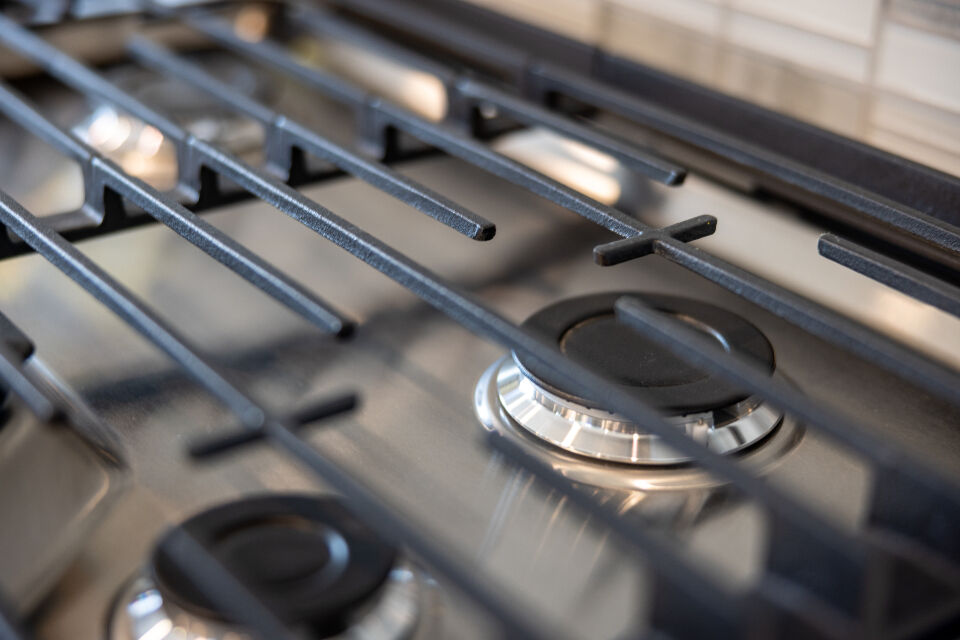
A rangehood is easy to treat as an afterthought in a new kitchen. Yet it does a real job every time someone cooks. It pulls steam, smoke, grease and odours away from the cooktop before they spread through the house. Choosing the right type, and planning where its air will go, makes a big difference to how well it works.
The biggest decision is whether the hood sends air outside or simply filters it and returns it to the room. That choice affects cabinetry, ceiling work and cost. It is far easier to settle at design stage than after the kitchen is installed.
Are rangehoods required in a new home?
Many people are surprised to learn that rangehoods are not always required. The Queensland Building and Construction Commission explains the position for houses. The Building Code of Australia has no specific mandatory requirement for a range hood in a Class 1 building such as a house. The code does require natural ventilation for occupied rooms, through openable windows, doors or other devices sized to the room’s floor area.
Where a kitchen cannot have its own opening, the code allows ventilation to be borrowed from an adjoining room. Other building classes have special requirements, and the code points to the Australian Standard AS 1668.2 for mechanical ventilation. Rules and how they are applied can differ between states and change over time. Check the current position with your builder or a building surveyor.
Ducted and recirculating rangehoods
Rangehoods come in two broad types. A ducted hood carries air through a duct to the outside. A recirculating hood passes air through filters and returns it to the kitchen. The QBCC says the type should be settled when entering a building contract, through the specifications.
Venting outside costs more because of the ducting and outlets involved. Some hoods may also need a more powerful motor to push air to a distant outlet. The QBCC notes the outlet is most practical when it sits close to the hood. Short, simple duct runs are worth planning for when the kitchen layout is first drawn.
Why the ceiling space is the wrong place
Venting a rangehood into the ceiling space or a wall cavity might seem like a neat shortcut. The QBCC describes this practice as not sound. Grease and oil can build up in the cavity. That creates a fire hazard and can cause odours and damage to insulation.
Gas cooking and indoor air
The type of cooktop matters too. An article published by UNSW Sydney explains that gas stoves release pollutants including carbon monoxide, fine particles, benzene, formaldehyde and nitrogen dioxide. Nitrogen dioxide is invisible and has no taste. So most households cannot tell how much is in the air without a monitor.
The same article cites a US study finding that homes with gas stoves can have nitrogen dioxide levels three times higher than homes with electric stoves. It also notes that around 38% of Australian households use natural gas for cooking. Nitrogen dioxide is linked with asthma developing and getting worse, according to the article. Anyone with health concerns should speak with their doctor.
What a good hood can do
The UNSW article says a high efficiency exhaust hood over a gas cooktop can capture more than 75% of air pollutants and send them outside. Hoods that do not vent outside, and hoods with lower flow rates, are less effective. That is a strong reason to choose a ducted hood if you cook with gas. Victoria and the ACT have also announced bans on gas connections in new homes, which may shape your cooktop choice. If an electric cooktop is on the cards, our look at residential solar energy technology covers one way to power it.
Getting the most from your rangehood
A rangehood only helps when it is switched on. One Melbourne study cited by UNSW found more than 40% of people did not regularly use an exhaust hood while cooking. Making it part of every cooking session is a simple habit. Cooking on the back burners rather than the front ones can also help the hood work more efficiently.
Keeping windows open during and after cooking increases airflow, and the article notes evidence that this can improve overall air quality. This is not always practical in cold weather. A well planned kitchen gives you both options, with an openable window and a ducted hood. Good storage keeps benches clear for cooking too, and our guide to applying vinyl pantry labels covers one simple way to keep a pantry tidy.
Installation and filter care
The QBCC says rangehoods need to be installed in strict accordance with the manufacturer’s instructions. Builders should work with their clients and with cabinetry or appliance suppliers on the hood location. This leaves room for the hood to vent outside if the owner wants it to.
Filters need regular cleaning or replacing. According to the QBCC, filters choked with flammable grease or oil become a potential fire risk. Check the manufacturer’s guidance for how often to clean or swap them. A reminder in the calendar stops the job from slipping.
Planning the rangehood as part of a renovation
If you are renovating, think about the rangehood alongside the rest of the house. Steam is a common problem in bathrooms too, and choosing the right shower screen doors is another detail worth getting right. An open plan kitchen also shares its air with the living area. If you are planning cooling for that space as well, our guide to choosing air conditioner sizes for Perth homes is a good place to start.
Frequently asked questions
Do I have to install a rangehood in a new house?
In Queensland, the QBCC says the Building Code of Australia has no specific mandatory requirement for a rangehood in a Class 1 building. Rooms still need natural ventilation. Rules and how they are applied can differ between states, so ask your builder or building surveyor.
Can a rangehood vent into the roof space?
The QBCC says venting into a ceiling space or wall cavity is not sound practice. Grease and oil build up there and can create a fire hazard. Ducting to the outside is the better option.
Is a recirculating rangehood good enough for a gas cooktop?
Hoods that do not vent outside are less effective at removing pollutants, according to research summarised by UNSW. A high efficiency ducted hood can capture more than 75% of pollutants from a gas cooktop. If you cook with gas, a ducted hood is the stronger choice.
How often should rangehood filters be cleaned?
Follow the manufacturer’s instructions for your model. Filters clogged with grease become a fire risk, so regular cleaning or replacement matters. Many people find a set reminder helps.
Building rules differ between states and change over time. This article is general information only, so check current requirements with your builder, a building surveyor or your state building regulator.


